Protein in Greek yogurt, cottage cheese, and the rest of the dairy aisle
The protein in Greek yogurt runs about 10 g per 100 g for plain nonfat — roughly 15 g in a 5.3 oz cup and 20 g in a 7 oz cup. Whole-milk (5%) versions land closer to 9 g per 100 g, because fat displaces protein. Cottage cheese is a shade higher per gram.
How much protein in Greek yogurt, by fat level and container
Container size isn't standardized: 5.3 oz (150 g) single-serve cups dominate US shelves, 7 oz (200 g) is next, and large tubs (32 oz / 907 g) label servings at 170 g or 227 g.
Plain Greek yogurt, per 100 g:
- Nonfat (0%): ~10 g protein, ~60 calories
- Lowfat (2%): ~9–10 g protein, ~80 calories
- Whole (5%): ~9 g protein, ~110 calories
Two things pull products below those numbers: flavored tubs swap yogurt for fruit prep and sugar, so a 150 g flavored cup often lands at 11–13 g instead of 15, and "Greek-style" isn't protected in the US — some products thicken with starch or gums instead of straining and read like regular yogurt, others add milk protein concentrate to inflate the number. Only the panel tells you which you bought.
Why strained yogurt has roughly double the protein of regular yogurt
Straining is subtraction: cultured milk loses its whey — water, lactose, minerals, and the whey protein fraction — leaving a concentrated curd. It takes several pounds of milk to yield one pound of Greek yogurt.
Regular plain lowfat yogurt runs about 5 g of protein per 100 g; whole-milk yogurt is lower still, around 3.5 g. Strained yogurt roughly doubles that. Skyr, strained harder and traditionally made from skim milk, goes further still — about 11 g per 100 g, or 17 g in a 150 g cup.
Straining also shifts which protein remains: milk protein runs roughly 80% casein and 20% whey, and pulling the whey out skews what's left more casein-heavy, which digests slowly — why strained dairy works well at night. Both fractions are complete proteins; see foods high in complete protein for how dairy compares to plant sources.
Calcium partly leaves with the whey, though: plain unstrained yogurt beats Greek yogurt per gram on calcium, and cottage cheese trails both.
Protein in cottage cheese, milk, and cheese
Typical values for plain US products — brands vary, and sodium varies most:
| Dairy food (plain) | Protein per 100 g | Typical serving | Protein | Calories | Sodium |
|---|---|---|---|---|---|
| Greek yogurt, nonfat | ~10 g | 5.3 oz (150 g) | 15 g | 90 | 55 mg |
| Greek yogurt, 2% | ~9–10 g | 5.3 oz (150 g) | 14 g | 120 | 55 mg |
| Greek yogurt, 5% | ~9 g | 5.3 oz (150 g) | 13 g | 165 | 55 mg |
| Skyr, nonfat | ~11 g | 5.3 oz (150 g) | 17 g | 100 | 60 mg |
| Yogurt, lowfat, unstrained | ~5 g | 1 cup (245 g) | 13 g | 155 | 170 mg |
| Cottage cheese, 2% | ~11 g | ½ cup (113 g) | 13 g | 95 | 350 mg |
| Milk, skim | ~3.4 g | 1 cup (240 mL) | 8 g | 85 | 105 mg |
| Cheddar | ~25 g | 1 oz (28 g) | 7 g | 115 | 185 mg |
| Swiss | ~27 g | 1 oz (28 g) | 8 g | 110 | 55 mg |
| Mozzarella stick, part-skim | ~24 g | 1 stick (28 g) | 7 g | 80 | 200 mg |
| Parmesan, grated | ~35 g | 1 Tbsp (5 g) | 2 g | 20 | 75 mg |
| Cream cheese | ~6 g | 1 oz (28 g) | 2 g | 100 | 90 mg |
The protein in milk barely moves across fat levels — about 8 g per cup, since removing fat doesn't touch protein. Ultra-filtered milks are the exception, concentrating it to around 13 g per cup.
Cottage cheese vs Greek yogurt
Per 100 g they're nearly tied — cottage cheese around 11 g, nonfat Greek yogurt around 10 g. The question isn't decided on protein; it's decided on the other columns.
Sodium. Half a cup of cottage cheese carries roughly 350 mg, about six times a whole cup of Greek yogurt — curd is salted, yogurt isn't. Managing blood pressure, that's the deciding number; low-sodium cottage cheese exists for it.
Calories per gram of protein. Nonfat Greek yogurt and 2% cottage cheese both land near 6–7 calories per gram of protein, about as lean as whole food gets. Whole-milk Greek yogurt roughly doubles that.
Casein. Both are casein-heavy, cottage cheese more so — it's essentially drained curd, and neither digests fast.
Sugar and texture. Plain versions of both carry 3–4 g of naturally occurring sugar per 100 g. Cottage cheese works savory in ways yogurt doesn't; yogurt blends into smoothies. Pick on that, not protein.
Read the panel, not the front of the tub
US Nutrition Facts are per serving, and servings in this aisle range from 5.3 oz to 1 tablespoon. Comparing two labels means converting both to per 100 g, or at least per 100 calories.
The %DV column helps once you know the Daily Value for protein is 50 g. It's optional unless the package claims a protein content: "high protein" means at least 20% DV per serving (10 g), "good source" means 10–19% (5–9 g) — neither tells you the food is protein-dense, only that one serving clears a bar.
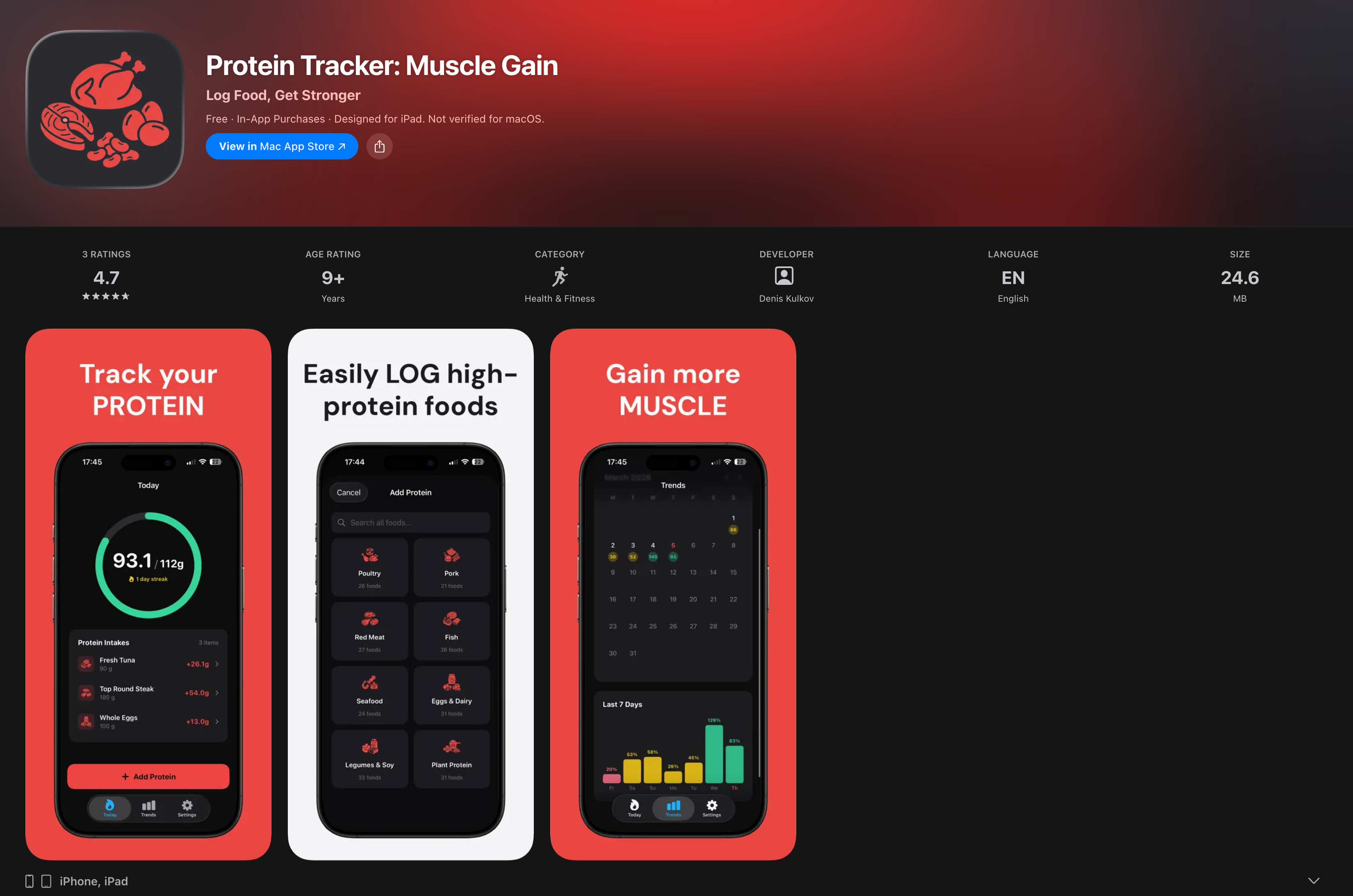
Because the same food swings this much between brands, it's worth pinning down your actual products once rather than re-reading tubs. Protein Tracker is a protein tracking app for iPhone, and saving the specific yogurt or cottage cheese you buy means checking the label once instead of every morning.
Dairy is one of the more efficient ways to hit a daily target, but it isn't the only one — high protein foods covers the rest, and how much protein do I need sets the target these numbers feed.
FAQ
How much protein is in a cup of Greek yogurt?
A cup of plain nonfat Greek yogurt is 227 g — roughly 23 g of protein and 135 calories. Lowfat and whole-milk versions give 20–22 g with more calories; flavored yogurt runs several grams lower.
How much protein is in string cheese?
About 6–7 g per stick: a standard stick is 1 oz (28 g) of low-moisture part-skim mozzarella at roughly 24 g per 100 g, with about 80 calories and 200 mg of sodium.
Does milk have as much protein as yogurt?
Per cup, plain unstrained yogurt has about 13 g against milk's 8 g, since yogurt is concentrated milk — Greek yogurt widens the gap further. Skim, 1%, 2%, and whole milk all carry about the same 8 g.
Which cheese has the most protein?
Hard aged cheeses lead by weight — grated Parmesan runs around 35 g per 100 g, with Swiss and cheddar in the mid-20s — but serving sizes are small, so a 1 oz portion delivers 7–8 g. Soft cheeses trail badly: cream cheese is about 6 g per 100 g, closer to a fat than a protein food.
Free Protein tools
- Chicken Breast Calorie CalculatorEnter chicken breast weight, whether you weighed it raw or cooked, skin and cooking method to see calories, protein, fat, carbs and the matching raw-to-cooked weight.
- Creatine Dosage CalculatorEstimate grams per day, loading-phase split doses, time to saturation, and tub supply for the question: how much creatine should I take?
- Daily Protein Requirement CalculatorEstimate how much protein a day you should consume using your body weight, age, activity level and goal. See the g/kg basis and a practical per-meal split.
- Egg Protein CalculatorChoose an egg size, quantity, part and cooking method to see protein, calories, full macros and the share of your daily protein target.
- High Protein Meal PlannerPlan a high protein meal planner split from your daily target. Choose 2 to 6 meals and a dietary preference to see grams per meal and example foods.
- Macros CalculatorUse this macros calculator to estimate daily calories and grams of protein, carbohydrates and fat for your chosen goal and macro split.
- Protein CalculatorUse this protein calculator to estimate a daily protein range from your body weight, activity level and goal, with simple per-meal splits.
- Protein Foods ChartFilter a protein foods chart by category, serving basis and minimum protein per serving, then sort the foods to find practical options to log.
- Protein in Chicken CalculatorEstimate the protein in a chicken portion using its cut, serving weight and raw or cooked basis.
- Protein in Fish CalculatorEnter a fish type and serving weight to convert protein in fish per 100g into tracker-ready grams for your portion.
- Protein in Lentils CalculatorEstimate the protein grams in a lentil serving by cooked weight. The result uses the listed boiled-lentil value and identifies when a dry value is unavailable.
- Protein in Meat ChartChoose a meat, enter its weight and select a raw or cooked basis to compare the protein grams in common meats.
- Protein in Nuts ChartChoose a nut type, serving size and minimum protein filter to compare protein grams across nuts and seeds.
- Protein Intake CounterTrack your daily protein target with quick-add portions or a custom amount. See your running total, grams remaining and entries in one place.